Our AI-powered platform helps UPS and FedEx shippers save big by automatically recovering, claiming, and refunding fees from late shipments, invalid surcharges, lost & damaged packages, and more.

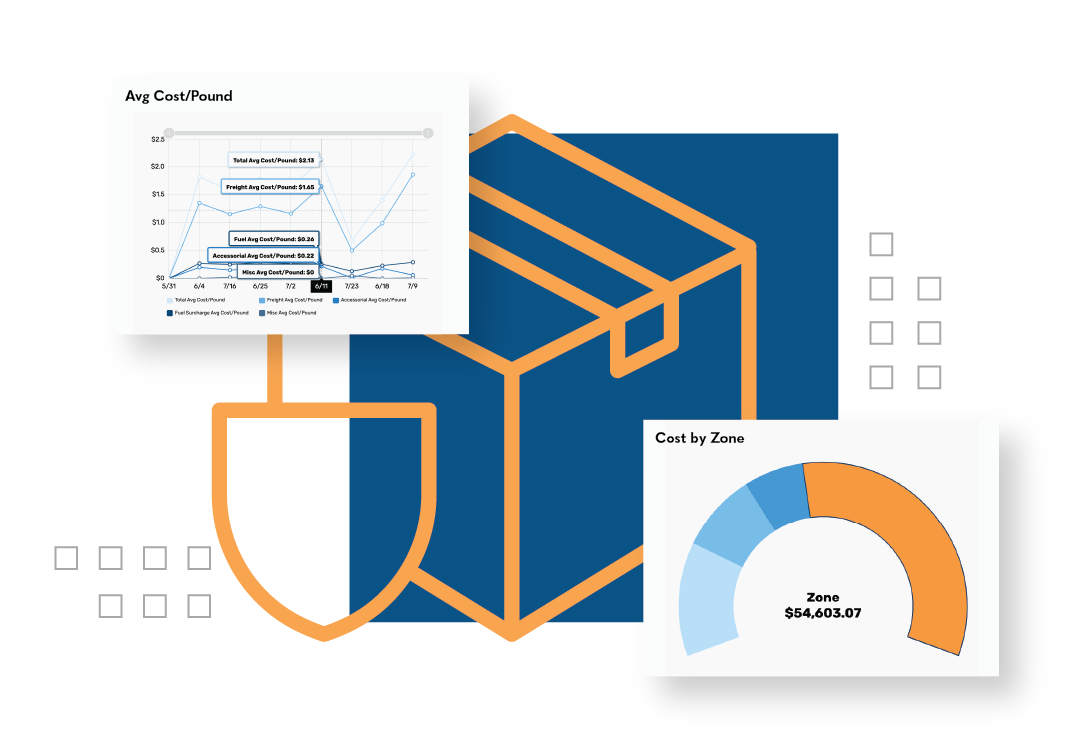

Our fully automated invoice auditing platform identifies, submits, and verifies claims on your behalf without you having to lift a finger.

Our ai-powered platform runs a weekly invoice audit identifying late shipments, invalid surcharges, lost/damaged packages, and more.

Every week, you'll receive a report identifying incidents of overcharging, errors, service failures, filed claims, and refunds within your agreement.
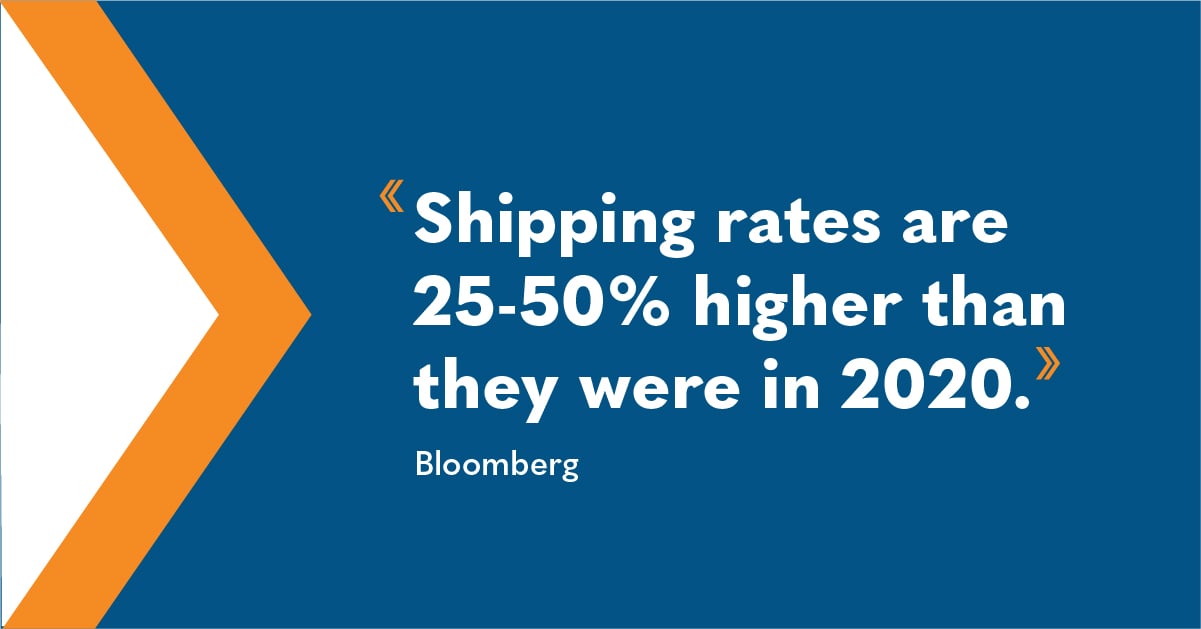
As of right now, higher shipping costs are here to stay. According to Bloomberg, shipping rates are 25-50% higher than they were in 2020. But what about your shipping costs? How do you make sure your carrier is holding up their end of the deal?
Conducting a thorough parcel or freight audit gives you the ability to discover discrepancies in your invoices and catch other costly errors made by your carrier. In this article, we wanted to give you an in-depth overview of freight and parcel invoice auditing and discuss how you can use the data uncovered from the audit to lower your overall shipping costs.
The truth is, if everyone has the best shipping rates, then no one has the best shipping rates.
Let’s get started.
In the simplest of terms, parcel audits specifically focus on boxes that are shipped to multiple locations and labeled individually, while freight audits focus on a collection of boxes shipped in one go. Parcels are often referred to as packages, although both terms can be used interchangeably. Parcel shipping has dimensional requirements as well, if a package is over 108 inches by 165 inches, then small parcel shipping companies will categorize those packages as freight.
Freight shipping is dedicated to large quantities of boxes or cargo that are sent as a unit to the same location via truck, cargo plane, ship, or train. Freight cargo loads are placed on pallets and are categorized by the amount of space they take up in the shipping container. There are three freight load categories:
Although parcel and freight are different, the audit processes for both are fundamentally the same.
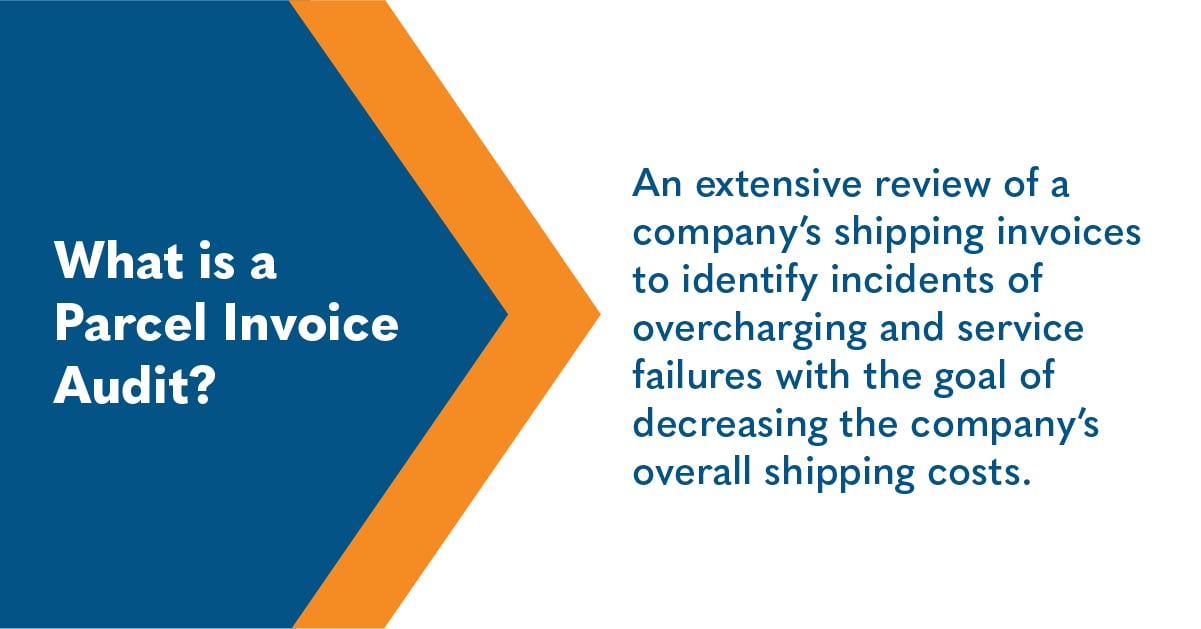
Freight and parcel audits are when a company's shipping bills and invoices are reviewed extensively to locate incidents of overcharging and service failures associated with errors in the shipping process. The main goal of freight and parcel auditing services is to decrease a company’s overall shipping costs. Put simply, a parcel or freight audit will identify when, where, and how you are being overcharged.
A shipping invoice audit and a parcel invoice audit describe the same process applied across UPS and FedEx accounts. The shipping invoice audit reviews every charge on every weekly billing file to confirm what was billed matches what the contract entitles the shipper to pay. Errors get refunded. Service failures get credited. Surcharges get reviewed against the actual characteristics of each shipment.
The data behind a shipping invoice audit also exposes structural cost issues that no single invoice would reveal on its own. Repeated dimensional weight charges on lightweight packaging. Address corrections that should not have triggered. Residential surcharges applied to commercial deliveries. Each is a small line item, and together they account for 2 to 7 percent of annual shipping spend at most high-volume shippers.
A weekly shipping invoice audit catches these issues before they compound into a full quarter of overpayment.
Conducting a freight or parcel audit does more than simply save you money up-front, it also allows you to gain insight into where your shipping carriers are dropping the ball and failing to deliver on time. Freight and parcel audit services are extremely valuable partners when it comes to saving on shipping costs and evaluating your carrier’s performance.
Parcel or freight audits analyze various aspects of the shipping process including:
Here is a breakdown of our live freight audit and operational support processes.
Live Audit: Your shipments are audited in real-time. Instant rate changes, re-weighs, re-classes are flagged, and we work immediately to reconcile the discrepancy.
Operational Support: You and your carriers have access to a knowledgeable staff to assist with booking loads and day-to-day operational questions. We act as an extension of your team and are vested in your success.
Dedicated Team: You have a designated team of professionals assigned to your account to help with your specific freight-related issues.
Track and Trace Shipments: Our operational team reviews shipments daily and works with the carrier on any late shipments and provides up-to-date information in the TMS (Transport Management System).
Carrier Payment: Our Recon software system sends a consolidated invoice every week for the prior week’s shipments. We pay carriers on your behalf, so you only send one
payment to Recon. We also provide vouchers if it is preferred.
Monthly Accrual: Real-time data is available in our TMS. We pull a monthly shipment file and accrue for any shipments that you have not been billed for previously.
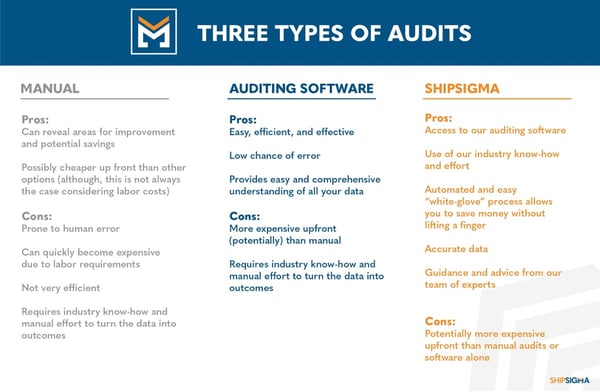
Auditing your parcel or freight payments is a proactive and useful way to reduce your costs and ensure that your shipping partners are truly honoring your contract. Before your audit begins, you should have a solid grasp of the three main types of audit. Let’s discuss each audit option in detail:
A manual audit means that you or a member of your staff performs the audit internally and by hand. Although this might seem like an easy and affordable option at first glance, it’s extremely time-consuming and can cost you more in the long run. Handling invoices and auditing manually can be done in very simplistic cases, but this process is prone to human error. Because the auditing process can quickly become quite complex, manual audits are not generally recommended. This is mainly because if a mistake is made or if something is missed then you could end up losing money. However, if your company ships at a fairly low volume then this method could be a manageable option for you.
The second option is to purchase a license for a shipping auditing software to help your staff manage the information they need to perform an audit. Software will help you organize your invoices, keep track of payments, and gather data. This process is more expensive than a manual audit, but it’s also more accurate and easier to manage. However, a lot goes into setting up your software and integrating it into your workflow. You also have to dedicate time to making sure that your invoice information is entered into your system regularly and that you are analyzing the data.
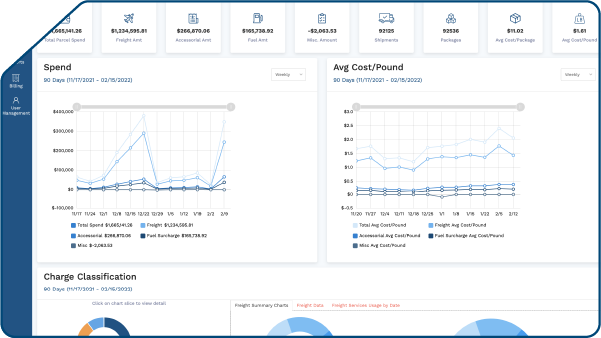
A good freight and logistics consulting partner, like ShipSigma, possesses the automated technology, data processing and experience needed to analyze and organize your carrier invoices into manageable reports that elaborate on key performance indicators. These actionable shipping insights and analytics allow you to better understand where your money is going and empower you to make more informed decisions regarding your carrier choices. Additionally, ShipSigma will file for the claims and refunds systematically and have them applied directly against future invoices. In short, we’ll handle the data analytics while you focus on what you do best, creating and selling your products.
Invoice audit services give high-volume shippers an outside team responsible for catching every billable error their carrier produces. The work is continuous, not episodic. Every week, every invoice, every line item gets scanned against the contract and the carrier's published rates.
ShipSigma's invoice audit services run on AI trained on over 20 billion parcel and LTL data points. The platform identifies invalid charges, files claims on your behalf, and applies recovered credits against future invoices. There is no upfront cost and no long-term commitment, because the service pays for itself out of the credits it recovers.
The invoice audit is one half of the value. The data the audit produces is the other half. Persistent patterns in surcharge billing, service failures, and dimensional reweighs become the evidence base for the next carrier contract negotiation. Two services, one platform, compounding savings across the life of the carrier relationship.
Shipping audit companies fall into three categories. Manual auditors operate on spreadsheets and offshore labor. Software vendors sell a license and a dashboard. Full-service providers handle the audit, the claims, and the reporting end to end. Each category has a different cost structure, a different recovery rate, and a different demand on the shipper's internal team.
The questions that separate shipping audit companies on outcomes rather than promises:
ShipSigma is built on 20 billion shipping data points and 250+ years of combined carrier experience. The platform runs a 50-point weekly audit across every UPS and FedEx invoice, files and verifies claims automatically, and feeds the same data into ShipSigma's carrier contract engineering work. There is no upfront cost and no long-term commitment. ShipSigma's average client sees a 25.2 percent reduction in annual parcel spend.
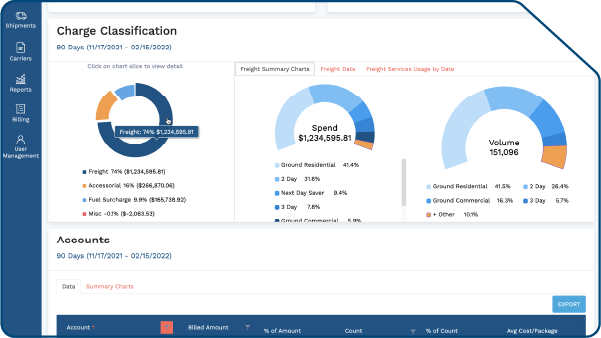
Our unique freight and parcel auditing technology allows us to review and analyze your parcel invoices and compile extensive data insights into your shipping costs and processes. Since this process is completely electronic, the risk of human error is entirely eliminated, making this a more efficient and accurate auditing process compared to conducting a parcel audit through a human auditor.
The expedited process and lack of human error open the door for more refunds and decreases in our overall shipping costs. We’re armed with real time parcel invoice and live freight data which allow us to better analyze and optimize your shipping methods to keep you one step ahead of your competition. Using our AI-driven technology and knowledge of the shipping industry, we are able to:
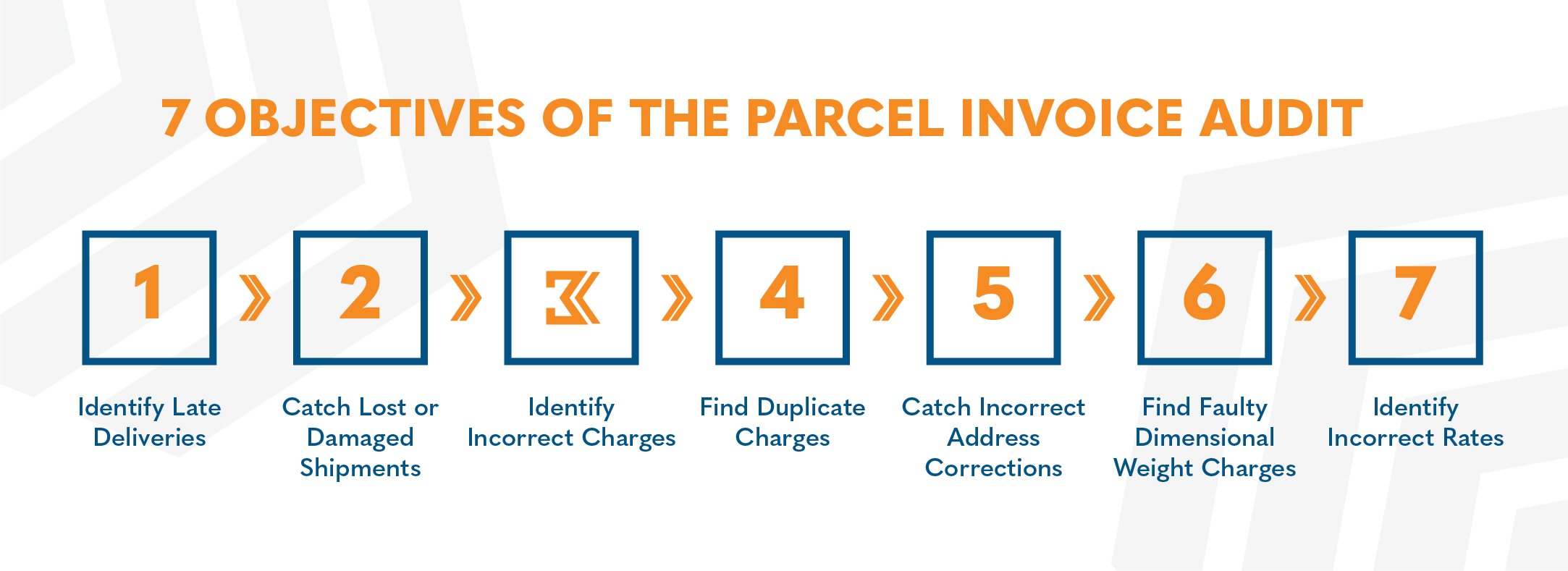
In our ShipSigma parcel and freight auditing processes we use our AI technology to sift through mountains of shipping data - all charges, refunds, and carrier credits are cataloged and analyzed for errors or violations. Here are our top 7 objectives of auditing:
UPS and FedEx use different rate structures, different surcharge categories, and different claim processes. An invoice audit calibrated to one carrier's billing logic will miss issues specific to the other. ShipSigma's platform audits both at full depth because the company's cost modeling was built against pricing and operational data from inside both carriers.
A UPS invoice audit reviews every weekly billing file for late shipments eligible for guaranteed service refunds, dimensional weight reweighs, residential and address correction surcharges, peak season fees, and fuel surcharges applied to the wrong base rate. ShipSigma's UPS invoice audit reconciles each charge against the specific contract terms and files refund claims directly with UPS Billing.
The audit also surfaces patterns specific to UPS billing logic. Repeated residential misclassification on commercial customers. Service guarantee suspensions applied during periods when guarantees were in force. Discount tier slippage when shipment volume crosses contract thresholds. Each pattern produces a recoverable credit and a data point for the next contract review.
A FedEx invoice audit applies the same methodology across FedEx Express, FedEx Ground, and FedEx Home Delivery invoices. The platform reviews every shipment for late delivery refunds under the Money-Back Guarantee, dimensional and minimum charge accuracy, residential and delivery area surcharges, address correction fees, and fuel rate applications.
FedEx-specific issues the FedEx invoice audit catches include incorrect application of Express service commitments, ground residential surcharges on delivery area boundaries, and dimensional reweighs that exceed actual package dimensions. ShipSigma files claims, tracks them through resolution, and reports credits against future invoices on the same weekly cadence as the UPS workflow.
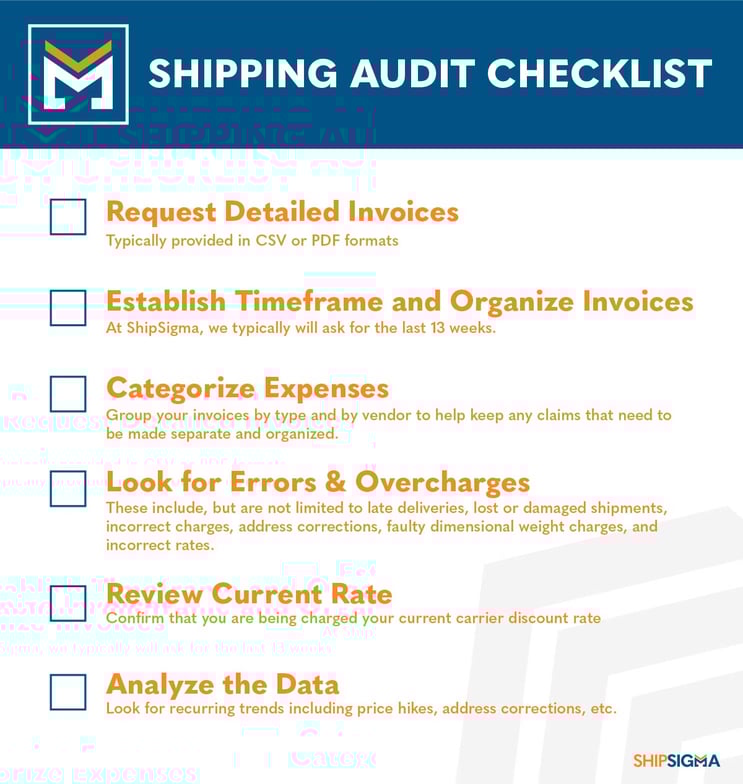
To give you some more information, we created this helpful checklist to break down each step of our ShipSigma auditing process.
We know your carrier representative has told you that you have the best rates, but if significant errors are discovered during the auditing process you will need to negotiate. You can’t negotiate the best rates without specialized insight into your specific costs - which is exactly what ShipSigma offers. We use your own data plus our technology to arm you with the information you need to cut down your shipping costs.
Our superior technology isn't the only thing working in our favor when it comes to providing advice for negotiating with shipping carriers. Our team is made up of experts from the shipping and logistics world - some of us used to negotiate for shipping carriers themselves. The point is, your experience combined with our insights into your data and support from our team will ensure that you get the shipping rates you deserve.
Sometimes shipping carrier contract negotiation can feel overwhelming, but fool-proof negotiation tactics and stellar data can help guide the way. Having everything laid out and backing up your arguments with numbers is the best way to succeed when negotiating your rates with your shipping carrier. Aside from actionable data insights, there are additional measures you can take to enhance your negotiation techniques. Let’s explore some of these methods below.
Take some time to really dive deep and research your carrier. Monitor the live market data, consider how the economy is affecting business, and ask lots of questions. Having the data from your audit is extremely helpful when it comes to the research portion of negotiations because it helps you substantiate your claims. If you do your research before negotiations then you will have a better understanding of your carrier’s position and how this might affect your contract.
As is the case with most things, everyone can’t always get what they want in these negotiations. With this in mind, you should really evaluate what matters to you most and decide what you are prepared to give up and what you are prepared to fight for.
Lack of transparency is detrimental to all negotiations, for all involved parties. Having accurate data to back up your claims during negotiations is paramount when it comes to transparency. Your audit data fosters transparency on two levels:
Your carrier needs to have a comprehensive understanding of where you stand and what your needs are. If your carrier is reluctant to accept the data you are presenting then that is a sign that you may want to limit further dealings with them in the future.
You can’t risk missing any loose ends or leaving any stones unturned during negotiations. You should always clearly define your limitations and tolerances when it comes to risks and liabilities. Analyzing the data from your audit greatly helps in this process. By having a clear idea of where problems arise and what drives price increases, you can properly evaluate your relationship with your carrier. The data collected during your audit will also allow you to determine if price increases are caused by mismanagement on behalf of your carrier or if outside factors are the key contributors. Audits prevent you from being surprised and allow you to know when to move on from a carrier or renegotiate your contract.
Successfully negotiating does not mean you’re allowed to get greedy - it’s more about relationship building. A good partnership between you and your shipping carrier means that you both are vested in each other's success. The right shipping carrier will accept the data you present to them from your audit and move to make changes to ensure that your partnership remains intact. On your end of things, it’s always good practice to consider your carrier’s point of view. Be flexible where you can and where it makes sense. For example, you could offer non-monetary terms in the contract that benefit your carrier, like flexible scheduling. It really comes down to maintaining a balance - if you go out of your way to develop and maintain a strong partnership with your carrier, then they are more likely to go out of their way to help you as well.
At ShipSigma, our mission is simple. We’re here to save you money. Using your own data with our technology, we offer detailed and specialized insight into your specific shipping costs. We take your raw invoice data and layer on the cost of the carrier to service your account - this allows us to see all of the data that is outside of your view. We’re not better negotiators; we’re just backed by AI-driven technology that allows us to see live market data. What’s the result? You can see exactly how much you’re saving — package per package.
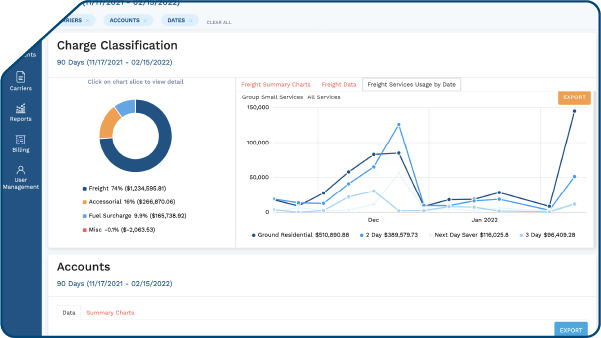
Within a month of partnering with us, you’ll see visible, meaningful results from our services. We will provide you access to detailed reports with tracking-number-level details to know exactly how much money you’re saving, down to the penny. Ready to start saving? Connect with us today.